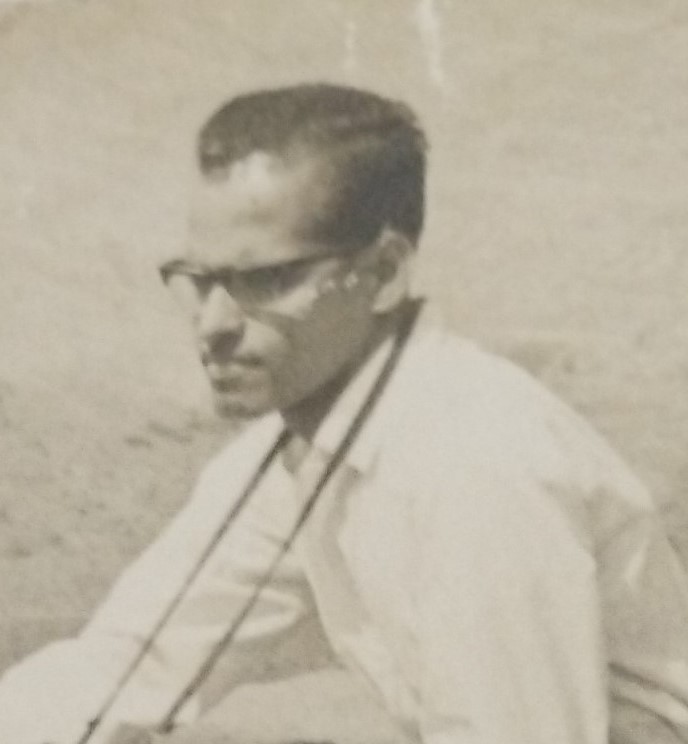
Rajiv Shetty and the Dignity of Labor
"Dignity does not consist in possessing honors, but in deserving them." — Aristotle
A retired banker’s impressions are only complete when they spread across the entire spectrum of the "Bank Family"—from the Chairman to the Clerical Staff. I have always been proud that throughout my career, I never faced staff strikes or union interventions. This wasn't because of light workloads or favorable postings; it was because of a shared struggle.
The 8 AM Soldier
In the galloping early days of the Mahim branch, we were a "struggling lot." We faced acute staff shortages while the branch's progress was moving at a breakneck speed. Among the clerical staff was a bachelor named Rajiv Shetty.
Shetty was a "Bank Mate" in the truest sense. He would be at his desk by 8:00 AM, and God only knows when he would exit. Many days, we worked so late that by the time we left for a nearby hotel, they were closing their doors. We lived on a repetitive cycle of idli-vada for breakfast, lunch, and dinner.
Though entitled to Trade Union protection and overtime wages, Shetty never claimed a single hour. He often missed the last connecting train to his room and would end up staying with me. He didn't seek recognition, promotion, or extra income; he simply gave his everything to the branch because he felt he was part of us.
The Weight of Charity
As time passed, we were promoted and scattered. Shetty’s later years were not easy. After a difficult divorce and a second marriage, he found himself with a large family and limited means. Upon his retirement, I learned of his struggles and reached out to a very wealthy businessman, Mr. Raheja, a prominent landlord for many of our Bombay branches.
Out of respect for our long association, Mr. Raheja readily offered Shetty a job with a decent salary. But a month later, I was shocked to learn that Shetty had resigned and moved back to Mangalore.
I called him, puzzled. His answer was a lesson in self-respect: "Sir, for several days, I found that the work I was given did not commensurate with the salary I was being paid. I realized the job was being continued not because they needed my work, but because of your good words. I cannot accept a salary as charity."
A Peaceful Exit
Even while submerged in the pressures of supporting a large family, Rajiv Shetty chose the hardship of unemployment over the comfort of a "favor." He abruptly left the company after informing the Chairman, unable to bear the thought of being a burden.
Later, I heard that Rajiv Shetty was no more. He had a peaceful exit from this world, leaving behind a legacy of quiet, unshakeable dignity.
The story of Rajiv Shetty is a humbling reminder that integrity is not the exclusive property of the executive cadre.
In the bank’s ledger, he was a clerk. In the ledger of life, he was a giant. The most loyal soldiers are those who work for the mission, not the clock. His refusal to take "charity" in his time of greatest need is a testament to a level of character that is rare in any era. I pray for his soul, and I remain forever indebted to the "Rajiv Shettys" of IOB, who gave their youth and their strength to build the institution we all called home.