
A banker's memory is only truly complete when it encompasses the full spectrum of the banking public: the bosses, the colleagues, and the customers. I would be failing in my duty if I did not recount my sweet association with Mr. Aghoram.
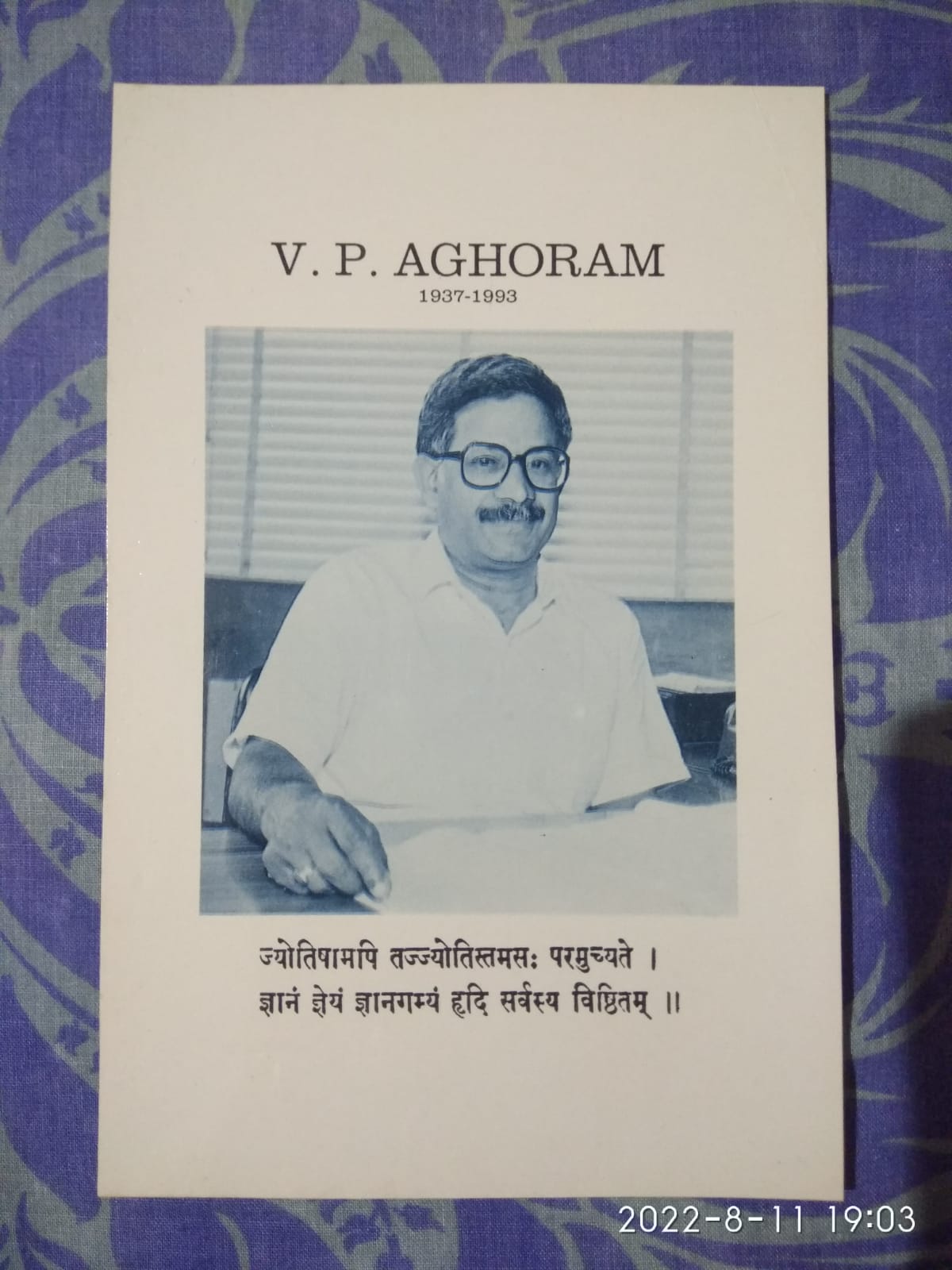
A Chartered Accountant and Cost Accountant by training, Aghoram served as the Managing Director of Kar Mobiles Limited in Bangalore. In an era where many borrowers were eager to offer "handsome gifts" or favors to bank managers to smooth their paths, Aghoram remained a rare, upright exception.
The Migration of a Father's Love
Aghoram's journey to Bangalore was born of a father's devotion. A young man with a high-profile career at HMV in Calcutta, his life was upended when his daughter required a complicated heart surgery at CMC Vellore. On the advice of doctors to stay near a major medical hub, he resigned from his prestigious post and moved his family to Bangalore.
He took over Kar Mobiles—an associate company of his father-in-law's engine valve monopoly—at a time when the unit was drowning in "teething troubles." He faced immense turbulence: bank pressure, loan defaults, and the lonely battle of reviving a struggling industry. I watched him maneuver through these crises with a smiling approach, knowledgeable attitude, and a refusal to touch even the fringes of corruption. Some called his refusal to pay "bribes" for customs clearances imprudent; I called it the bedrock of his character.
The Ritual of the Draft
For decades, Aghoram and I shared a unique bond. Every year, without fail, he would send me the draft financials of his company. He sought my opinion, my guidance, and my critiques before finalizing them. In all those years of association, he never so much as offered me a diary or a calendar. Our currency was mutual respect, and our ledger was one of absolute transparency.
The Politics of the Packing Credit
As his advisor, I looked for ways to alleviate the burden of stiff interest rates. I suggested he approach the Industrial Reconstruction Bank (now the IRBI) for a long-term, soft-term loan. However, Aghoram was deterred by "someone whom I knew and he knew" on pretext that the company should not wear the "Sick Unit Dress."
When the unit's quality was finally established and the international giant Lister placed a massive order, we recommended a Packing Credit loan at a concessionary rate. To my shock and Aghoram's dismay, this loan was declined at the instance of a certain "someone" in the higher echelons of the bank. Both he and I knew the unspoken reasons behind that decline—it was a move driven by negative influence, not by the merit of the proposal.
The Sacrifice of the Lead Banker
Seeing his growth stifled by these internal hurdles, I did something few bankers would hesitate: I advised him to leave us. I told him to approach the State Bank of India (SBI) nearby. At that time, TALWAR COMMITTEE recommendations related to transfer of loan from one bank to another was in vogue. However, State Bank welcomed him with open arms. They sanctioned his facilities and released part of the loans without even waiting for the final transfer of securities or land documents.
It was with a very heavy heart and a sad face that Aghoram finally left IOB. Yet, our bond did not break. He continued to seek my counsel and maintain our contact for many years thereafter, proving that a true banking relationship is built on the person, not the institution.
Under his painstaking care, Kar Mobiles flourished. He diversified, setting up an export-oriented unit near Tumkur. But alas, before he could harvest the full benefits of his hard work, he was taken from us suddenly by cancer.
The Statue of Tumkur
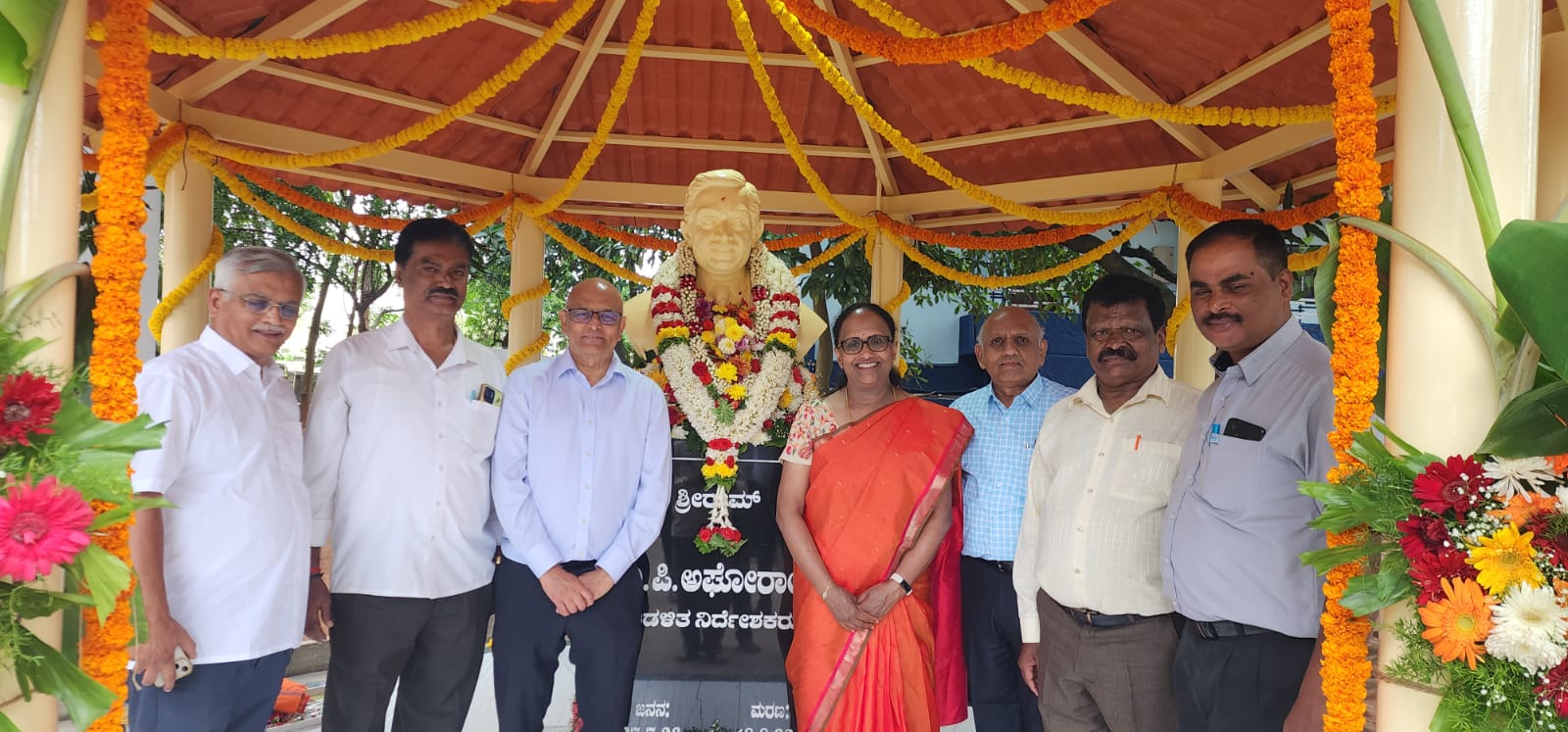
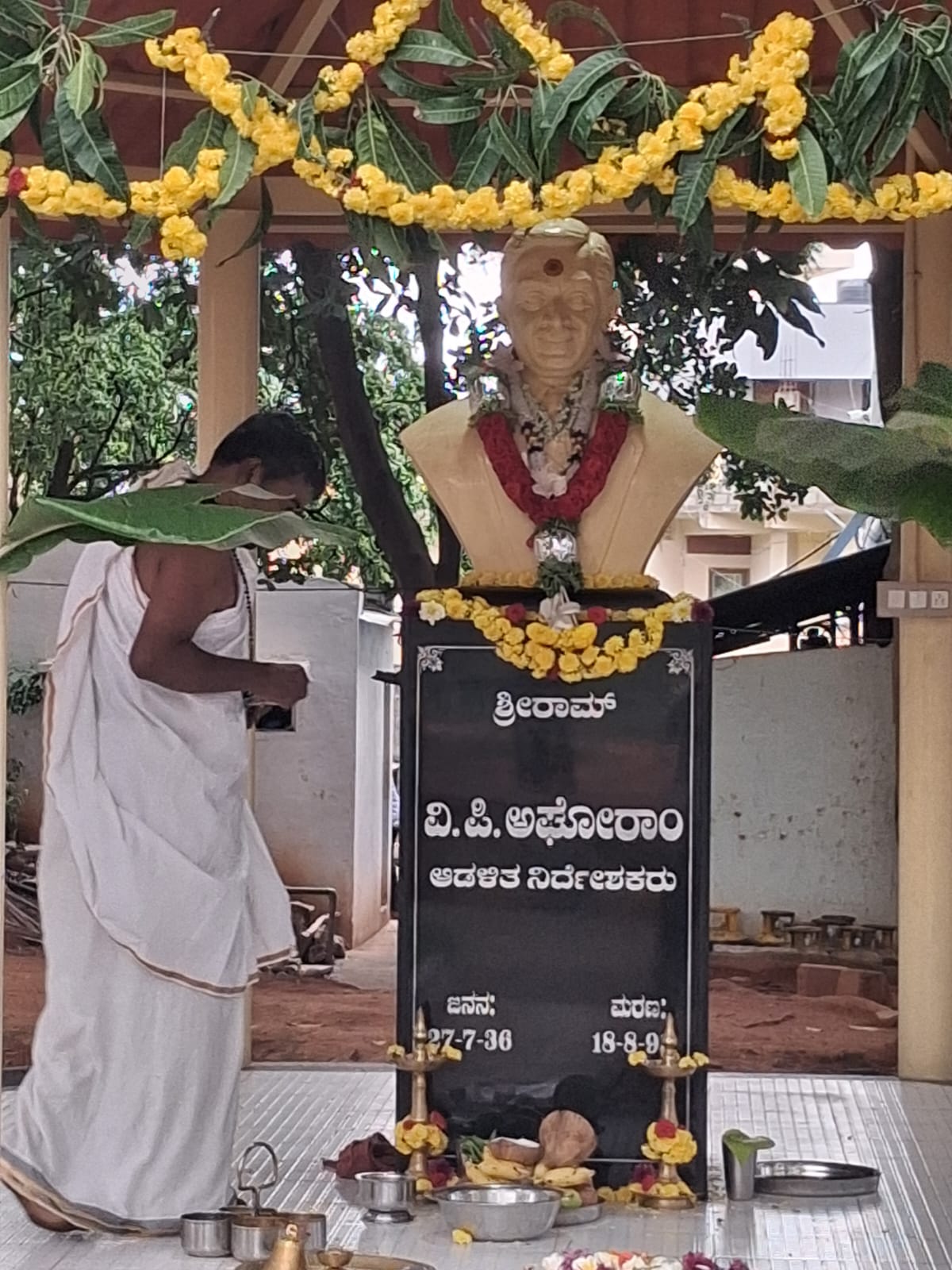
It was only after his passing that I learned the true depth of the legacy he had built. When the news reached the factory, the employees were shattered. They didn't just mourn; they erected a statue of Mr. Aghoram inside the factory premises. Every day, before reporting for duty, the workers would gather at his statue to pay their tributes and seek his blessings.
Years later, when the management decided to sell the factory and its premises, a unique protest erupted. The employees did not strike for money. They agitated for a single, unheard-of demand: The statue of Mr. Aghoram must remain where it is. They negotiated a settlement where the new owners were prohibited from destroying or moving the statue. Furthermore, the employees secured the legal right to enter the premises every year on Aghoram's birthday to offer their prayers. To this day, that annual pilgrimage to the factory continues—a testament to an employer-employee relationship the likes of which I have never witnessed in my thirty-eight years of banking.
The story of Mr. Aghoram reminds us that "Goodwill" is not just an accounting term to be amortized over time. In the real world, goodwill is a living force.
Aghoram proved that you can build a flourishing, international business without compromising a single principle. But more importantly, he proved that if you treat your employees with "Management by Heart," you become immortal in their eyes. As a banker, I was proud to support his business, but as a man, I am humbled by the memory of the workers in Peenya and Tumkur.
He remains the standard by which I judge true professional success: not by the size of the dividends, but by the size of the devotion left behind.